When Should I Consider a Hair Transplant?

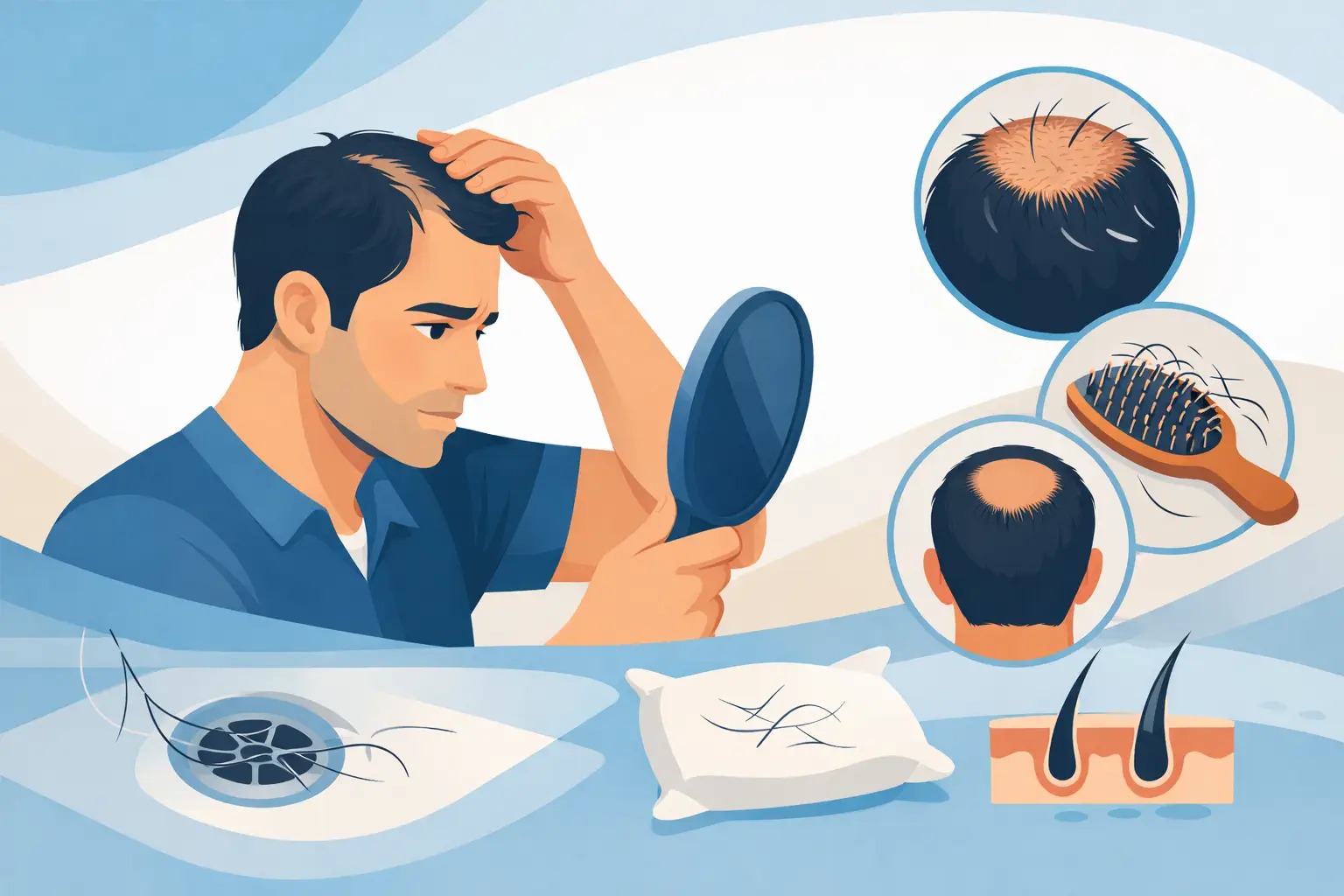
Hair loss usually does not become a real decision point all at once. It tends to show up in small moments – more scalp in bright bathroom lighting, a widening part, a hairline that looks different in photos, or the growing habit of styling around thinning areas. If you are asking when should i consider transplant options, you are probably past casual curiosity and starting to look for a lasting solution.
That question deserves more than a sales answer. A hair transplant can be life-changing for the right candidate, but timing matters. The best outcomes happen when hair loss has been evaluated carefully, expectations are realistic, and the plan is built around both your current appearance and what your hair may do next.
When should I consider transplant treatment?
A hair transplant becomes worth considering when your hair loss is no longer responding well to non-surgical care, or when the pattern of thinning has become established enough to design a natural long-term result. For many patients, the tipping point is not just the amount of hair they have lost. It is the combination of visible thinning, emotional frustration, and the sense that temporary fixes are no longer enough.
That said, needing help and being ready for surgery are not always the same thing. Some people come in early, when medications, regenerative treatments, or laser therapy may help preserve and strengthen existing hair. Others have already spent years trying products that did little and are now strong candidates for FUE. The right timing depends on the cause of your hair loss, how stable it is, your donor hair quality, your age, and the specific result you want.
The signs you may be ready to consider a transplant
One of the clearest signs is pattern hair loss that has become consistent. In men, that often means a receding hairline, thinning at the crown, or both. In women, it may show up as diffuse thinning through the top or widening at the part line. Facial hair transplants also come into the conversation when beard or eyebrow density has always been sparse or has been reduced by overplucking, scarring, or genetics.
Another sign is that concealment has become part of your daily routine. If you are relying on hair fibers, strategic cuts, hats, or careful styling just to feel comfortable, it may be time to talk with a specialist. There is nothing wrong with cosmetic camouflage, but many patients reach a point where they want a more permanent answer.
You may also be ready if your hair loss is affecting confidence in a meaningful way. People often minimize this, but the emotional side matters. If you avoid certain angles in photos, feel older than you are, or spend a lot of mental energy thinking about your hair, that is not superficial. It is a quality-of-life issue, and it is reasonable to explore medical solutions.
When a transplant may be too early
The hardest truth in hair restoration is that earlier is not always better. If you are very young and your hair loss is still changing quickly, a transplant can be premature. A surgeon can rebuild a hairline, but if surrounding native hair keeps thinning aggressively, you may end up chasing future loss unless the overall plan accounts for that progression.
This is especially important for younger men with early recession who want a very low, dense hairline. Technically, it may be possible to place grafts there. Strategically, it may not be wise if the rest of the pattern is still unfolding. Good transplant planning is conservative in the best sense of the word. It protects your donor supply and aims for a result that will still look natural years from now.
A transplant may also be too early if the real issue has not been diagnosed. Not all hair loss is androgenetic alopecia. Thyroid changes, nutritional deficiencies, autoimmune conditions, traction, stress-related shedding, and inflammatory scalp disorders can all affect the picture. If the cause is unclear, the first step should be a proper scalp and hair evaluation, not a rushed procedure.
When should I consider transplant vs other treatments?
This is where nuance matters. A transplant moves healthy follicles from one area to another. It does not stop ongoing hair loss in untreated areas. That is why many patients do best with a combined approach rather than surgery alone.
If you still have miniaturizing hair that can be preserved, non-surgical treatment may be the smart first move. Medication can help slow or stabilize pattern loss. Regenerative injections may support healthier growth in thinning zones. Low-level laser therapy can be part of a broader maintenance strategy. These options are often valuable when you want to delay surgery, improve the scalp environment before a procedure, or protect native hair after transplantation.
On the other hand, once a hairline has significantly receded or an area has become slick bald, non-surgical options have limits. They may help maintain surrounding hair, but they usually cannot recreate a dense frontal edge or refill long-standing empty areas the way transplantation can. In that situation, FUE often becomes the most effective path to visible restoration.
What makes someone a good transplant candidate?
A good candidate usually has enough healthy donor hair, a pattern of loss that can be mapped out, and expectations grounded in what transplantation can realistically achieve. Donor supply is critical. Even advanced techniques like FUE and ARTAS robotic FUE work within the limits of the hair available on the back and sides of the scalp.
Hair characteristics matter too. Thickness, texture, curl, and color contrast all influence how much visual coverage a transplant can create. Someone with coarse, wavy hair may achieve the appearance of fullness with fewer grafts than someone with very fine, straight hair and high scalp contrast. That does not mean one person is a better patient than another. It means the surgical plan should be individualized.
Overall health and scalp condition also play a role. A minimally invasive procedure is still a medical procedure, and the best outcomes come from careful assessment, physician oversight, and a treatment design that fits your anatomy rather than a one-size-fits-all package.
Questions to ask yourself before moving forward
Instead of focusing only on how much hair you have lost, ask whether your hair loss pattern seems stable enough to plan around. Ask whether you are open to maintenance care after surgery if needed. Ask whether your goal is natural improvement or dramatic density that may not be realistic in one session.
It also helps to think about your motivation. Wanting to look more like yourself again is a strong reason. Wanting a natural hairline that restores confidence is a strong reason. Expecting surgery to stop all future thinning or give you the exact hair you had at 18 is where expectations need adjustment.
The best consultations are honest on both sides. You should come away understanding not just whether you can have a transplant, but whether this is the right time, what type of procedure fits your needs, how many grafts may be appropriate, and what kind of ongoing care may protect your result.
Why timing affects natural-looking results
A well-timed transplant does more than add hair. It creates continuity between transplanted grafts and the hair you are likely to keep. That is how results stay believable. A rushed procedure can fill a problem area today but create imbalance later if surrounding hair continues to thin.
This is one reason experienced medical planning matters so much. The goal is not simply to place grafts where hair is missing. It is to design a restoration that respects future loss patterns, preserves donor resources, and matches your face, age, and features. At Austin Hair Clinic, that planning mindset is central to how candidates are evaluated.
If you have been wondering whether now is the right time, the most useful next step is not guessing from the mirror. It is getting a professional assessment of your scalp, donor hair, degree of miniaturization, and long-term options. Sometimes that conversation confirms you are ready for a transplant. Sometimes it reveals a better first step.
Either way, clarity tends to feel better than waiting and worrying. The right hair restoration plan should not make you feel pressured. It should make you feel informed, supported, and much more confident about what comes next.