Best Treatments for Female Shedding
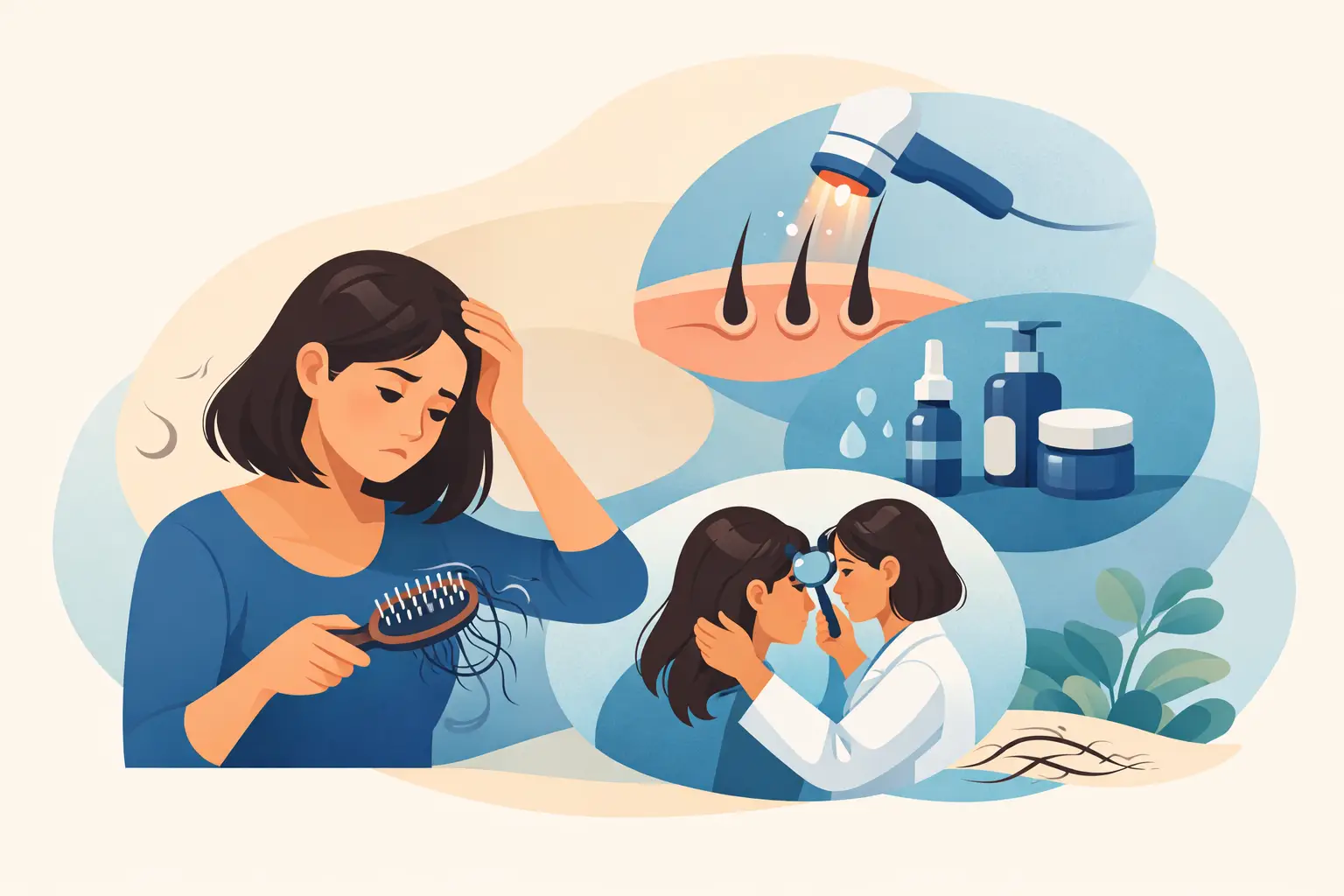
If your part looks wider than it did six months ago, or you are seeing more hair in the shower drain and on your brush, you are not imagining it. The best treatments for female shedding depend on one critical step first – identifying why the shedding is happening. For some women, it is temporary and reversible. For others, it is the first visible sign of ongoing female pattern hair loss that needs a long-term plan.
Hair shedding in women is often dismissed as stress, hormones, or age, and sometimes that is true. But “normal shedding” and progressive thinning are not the same thing. A careful scalp evaluation can tell the difference, and that difference matters because the right treatment can preserve density, improve coverage, and help you feel like yourself again.
Why female shedding happens
Women shed hair for many reasons, and several can overlap at the same time. Telogen effluvium is one of the most common causes. This is a shift in the hair cycle that can happen after illness, rapid weight loss, childbirth, medication changes, surgery, or significant stress. The shedding can feel dramatic, but it often improves once the trigger is addressed.
Female pattern hair loss is different. It tends to show up as gradual thinning through the top of the scalp, a widening part, or less volume overall. Hormonal shifts, genetics, and age often play a role. Unlike temporary shedding, pattern loss usually benefits from active treatment to slow progression.
There are also medical issues that can mimic or worsen hair loss, including low iron, thyroid imbalance, scalp inflammation, and nutritional deficiencies. That is why guessing can waste time. A personalized diagnosis usually leads to better results than chasing the latest trend product.
Best treatments for female shedding start with diagnosis
The most effective treatment plan is built around the type of shedding you have, how long it has been going on, and whether the follicles are still healthy enough to recover. In a medical hair restoration setting, this usually starts with scalp analysis, a review of your history, and sometimes lab work or additional testing.
This step is where many women finally get clarity. If the issue is telogen effluvium, the focus may be on removing the trigger and supporting regrowth. If it is female pattern hair loss, the goal shifts toward preserving miniaturizing follicles and improving density over time. If both are happening together, treatment needs to address both.
That is also why a one-size-fits-all answer rarely works. The best treatments for female shedding are often a combination of therapies rather than a single product or procedure.
Medication can help stabilize ongoing loss
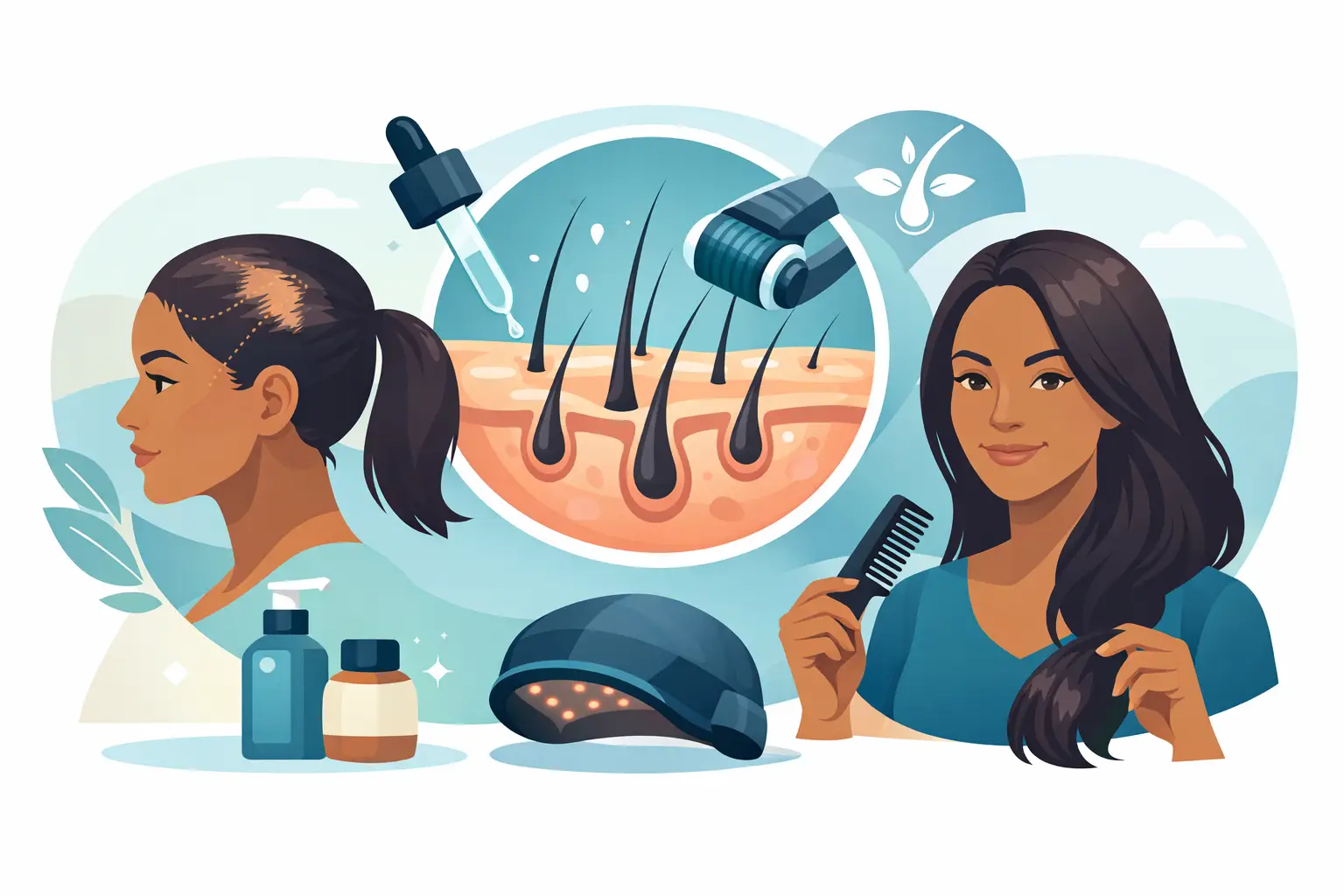
For women with female pattern thinning, medication is often part of the foundation. Topical minoxidil remains one of the most established options. It can help extend the growth phase of hair and improve density, especially when started early. Some women do well with foam or solution, while others may be candidates for oral minoxidil under physician supervision.
The trade-off is patience. Minoxidil does not work overnight, and an initial increase in shedding can happen as hairs shift through the cycle. That can feel alarming, but it is not always a sign the treatment is failing. Consistency matters, and most women need several months before judging results.
Depending on the patient, other medications may also be considered to address hormonal drivers of hair loss. This is not the right path for everyone, and suitability depends on age, medical history, pregnancy plans, and risk profile. That is where physician oversight is especially valuable.
Regenerative injections may support thicker growth
For women who want to strengthen existing hair without surgery, regenerative hair loss injections can be a strong option. These treatments are designed to stimulate follicles and improve the scalp environment for growth. They are often used for early to moderate thinning, especially when the goal is to preserve native hair and improve overall fullness.
Results vary based on the type of loss and the health of the follicles. Women with active but miniaturizing follicles typically respond better than those with long-standing areas where follicular activity is already gone. This is one reason early treatment usually gives you more options.
Regenerative therapies also work well as part of a broader plan. In many cases, they are paired with medication or laser therapy rather than used alone.
Low-level laser therapy is a useful noninvasive option
Low-level laser therapy appeals to many women because it is noninvasive and easy to fit into a routine. The goal is to stimulate the follicles and support healthier growth over time. It is not a miracle treatment, but for the right candidate, it can be a helpful part of a maintenance strategy.
The women who tend to do best with laser therapy are those with mild to moderate thinning who still have viable follicles. It is less effective in areas where hair loss has progressed significantly. Like other nonsurgical treatments, it requires consistency and realistic expectations. Think improvement and support, not instant restoration.
Nutritional support matters when deficiencies or stress are involved
Hair is sensitive to internal changes. If shedding started after a crash diet, illness, postpartum changes, or a period of intense stress, nutrition and recovery may be part of the solution. Supplements can be useful, especially when they are chosen for a real need rather than marketing claims.
That said, supplements are supportive, not magic. If a woman has female pattern loss, vitamins alone usually will not stop it. If she has iron deficiency or another underlying issue, supplementation can be meaningful. The key is matching the support to the problem.
This is where customized planning stands out. In a clinic setting, treatment can be guided by your history, scalp findings, and in some cases genomic testing that helps clarify how your body may respond to certain therapies.
When hair transplant is the right answer
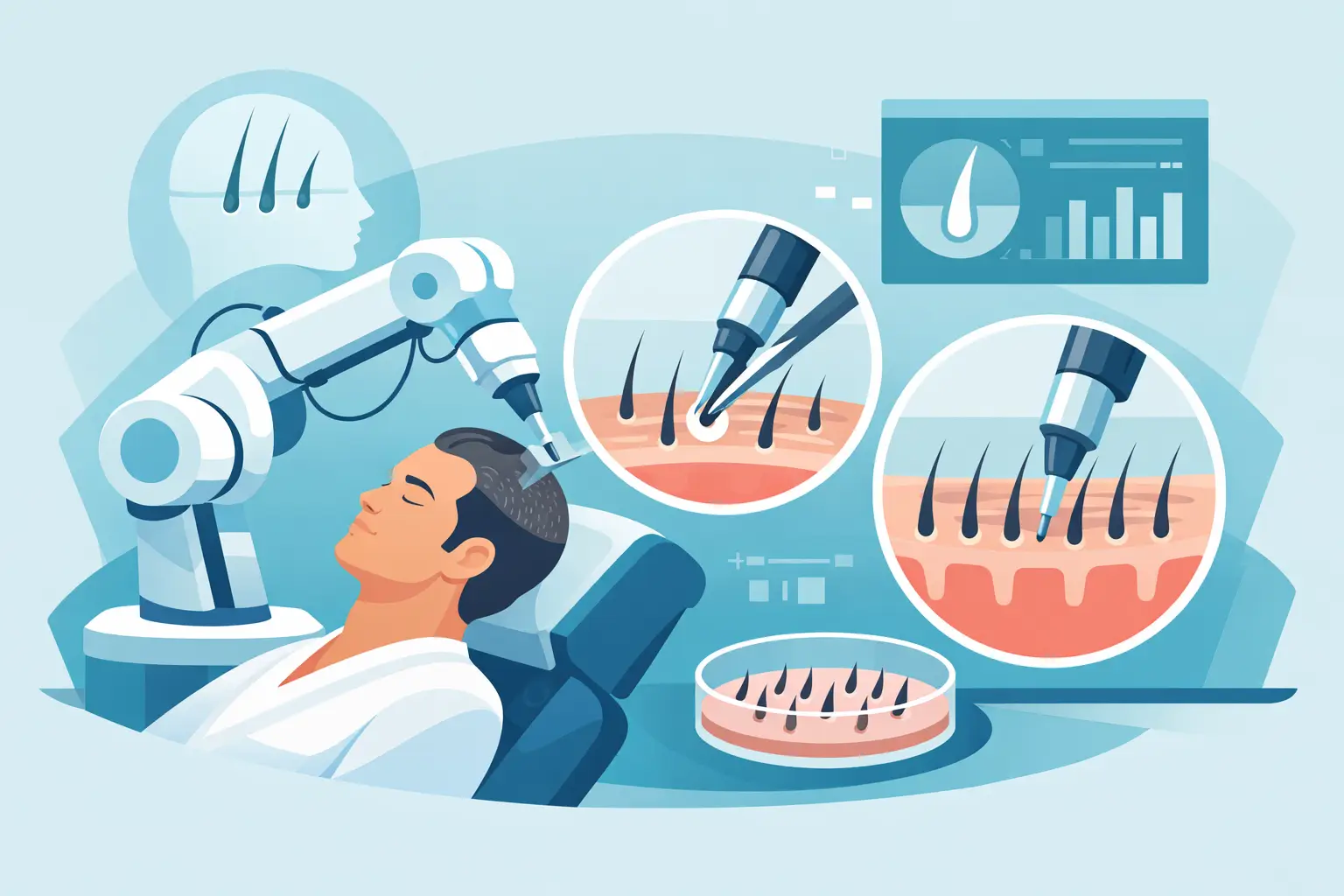
A lot of women assume hair transplantation is only for men, but that is not the case. Female patients with stable donor hair and localized thinning can be excellent candidates for FUE hair transplant. This is especially relevant for women with a widening part, thinning at the hairline, or areas that have not responded enough to conservative therapy.
A transplant does not stop future shedding in untreated areas, so it works best when the diagnosis is clear and the overall plan is thoughtful. Many women need medical therapy alongside transplantation to protect existing hair and create the most natural result.
The advantage of FUE is precision. Individual follicular units are harvested and placed with attention to angle, direction, and density. For women who want a permanent solution in specific areas, this can be transformative when done by an experienced medical team. At Austin Hair Clinic, this kind of planning is part of a comprehensive approach rather than a one-procedure pitch.
What usually works best is combination treatment
The question is not always which single treatment is best. More often, it is which combination gives you the strongest chance of holding onto your hair and improving density. A woman with postpartum telogen effluvium may need time, nutritional support, and monitoring. A woman with genetic thinning may need minoxidil, laser therapy, and regenerative injections. Another may benefit from medical stabilization first and FUE later.
This is also where expectations need to stay grounded. Some treatments reduce shedding. Some improve thickness. Some restore areas that are already thin. Very few do all three by themselves. The right plan meets you where you are now and adjusts as your hair changes.
When to seek medical help for shedding
If shedding has lasted more than a few months, your part is widening, your ponytail feels thinner, or you can see more scalp than before, it is worth getting evaluated. The earlier female hair loss is identified, the more treatment pathways are available. Waiting too long can limit how much regrowth is possible with nonsurgical care.
A medical consultation also helps separate internet noise from what actually fits your case. That can save months of trial and error and give you a clearer timeline for results. Hair restoration is not about chasing hype. It is about choosing treatments that match the biology of your hair loss.
Female shedding can feel frustrating, personal, and hard to talk about. It is also treatable more often than many women realize, especially when the plan is personalized early. If your hair is changing and your confidence is changing with it, getting answers is a smart first step.