Best Candidates for FUE Transplant
A thinning hairline does not automatically mean you should book a transplant. The best candidates for FUE transplant usually share a few important traits: stable hair loss, healthy donor hair, realistic expectations, and a pattern that can be restored in a natural-looking way. If you are considering treatment, the real question is not just whether FUE works. It is whether FUE is the right fit for your hair, goals, and long-term plan.
Who are the best candidates for FUE transplant?
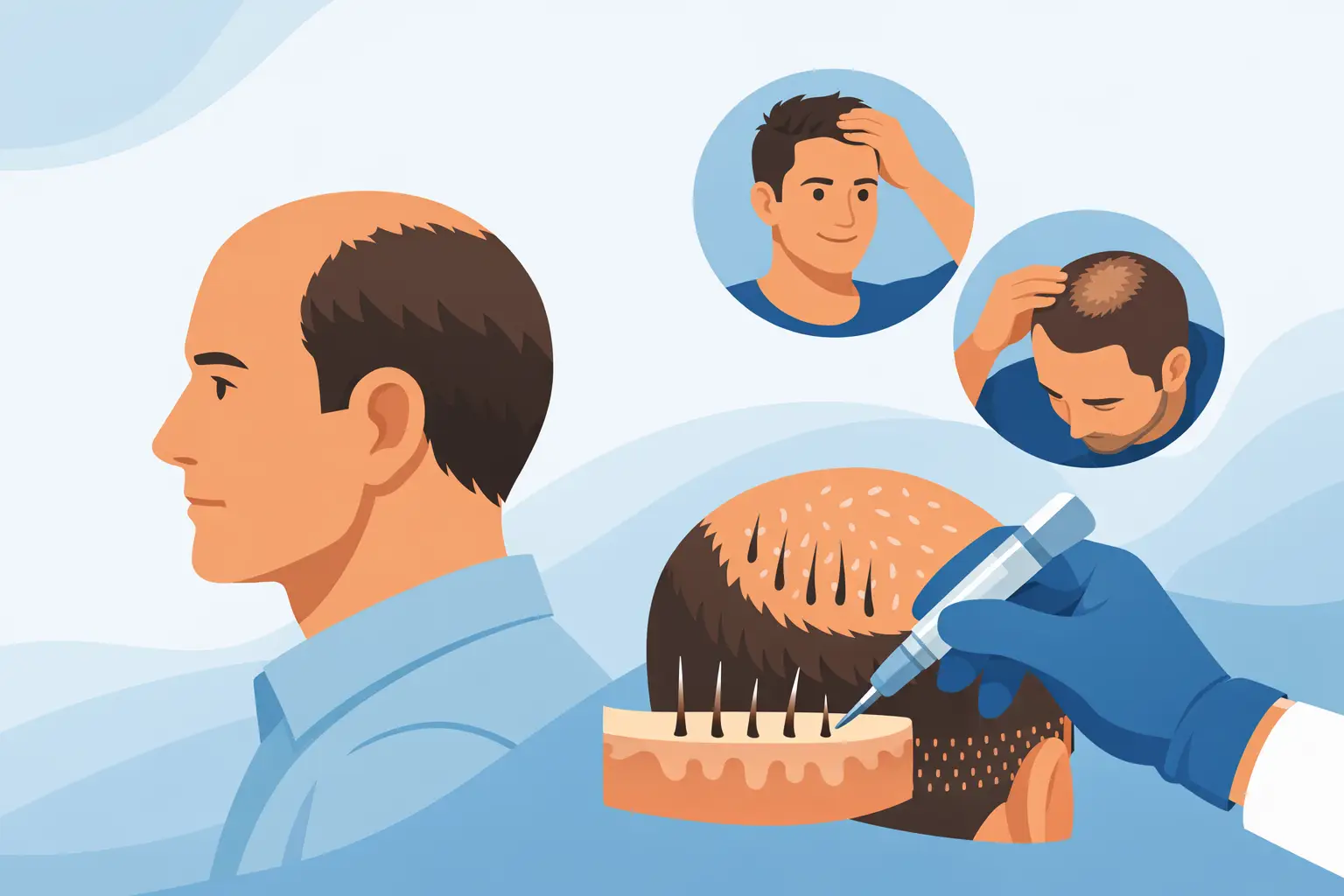
FUE, or Follicular Unit Extraction, is a minimally invasive hair transplant technique that removes individual follicular units from the donor area and places them where hair is thinning or absent. It is popular because it avoids a linear scar and allows for precise placement, especially along the hairline, crown, beard, and eyebrows.
The best candidates for FUE transplant are typically men and women with enough healthy donor hair on the back or sides of the scalp, where follicles are more resistant to shedding. Good candidates also have hair loss patterns that are established enough for a surgeon to design a restoration that will still look balanced over time. Someone with mild to moderate thinning and good density in the donor area often has more options than someone with widespread loss and limited donor supply.
Age can matter, but not in a rigid way. A younger patient in their 20s may be a strong candidate if their hair loss pattern is becoming clear and can be managed with a long-term strategy. On the other hand, someone the same age with rapidly changing loss may be better served by medication, regenerative therapy, or a wait-and-monitor approach before surgery.
The key factors doctors look at
A quality FUE evaluation is not based on one snapshot in the mirror. It is a medical and aesthetic assessment of what can be achieved safely and naturally.
Donor hair quality
This is one of the biggest decision points. FUE depends on harvesting healthy follicles from the donor zone without over-thinning that area. Your physician will assess density, hair caliber, scalp laxity, and how evenly the donor follicles are distributed. Thick, coarse hair may create more visible coverage per graft than fine hair, while curly or wavy hair can also improve the appearance of density.
A patient may want aggressive coverage in the front, but if donor reserves are limited, a conservative plan is often the better plan. This is where experience matters. Good surgery is not about moving the most grafts possible. It is about preserving donor supply while producing a result that still looks natural years from now.
Hair loss pattern and stability
FUE works best when the pattern of hair loss is understood. Male pattern baldness and female pattern thinning can both be treated, but timing matters. If shedding is still progressing quickly, transplanting too early can create an island of permanent hair surrounded by future loss.
That does not mean you must wait until all your hair is gone. It means your treatment plan should account for what is likely to happen next. In many cases, a physician may recommend combining surgery with medical therapy to help protect existing hair and improve long-term results.
Scalp and overall health
Healthy candidates generally heal better and experience smoother recovery. Conditions that affect wound healing, circulation, or immune response may need to be addressed first. Scalp inflammation, active infections, or certain dermatologic conditions can also affect candidacy.
This is why a consultation should include more than a cosmetic conversation. It should explore your medical history, medications, past procedures, and any factors that could influence graft survival or healing.
Expectations
This may be the most overlooked factor. The best FUE candidates want improvement, not perfection. A hair transplant can restore density, shape a stronger hairline, and create a younger, fuller look. What it cannot do is recreate unlimited teenage density in every case.
Patients who understand the limits of donor hair and the need for thoughtful design are usually the happiest with their outcome. A natural result often comes from restraint, not excess.
When FUE is often a strong option
FUE is especially appealing for people who want shorter hairstyles or prefer to avoid a linear scar associated with strip harvesting. It can also be an excellent option for targeted areas where precision matters.
Men with receding hairlines, thinning temples, or early crown loss are often strong candidates if donor density is solid. Women with localized thinning or widening parts may also benefit, provided the donor area is stable and not diffusely miniaturized. FUE can also be used for facial hair restoration, including beard enhancement and eyebrow transplantation, when patients want more definition or to correct patchy growth.
People who have had previous hair transplant surgery can sometimes benefit from FUE as a revision option too. In these cases, the goal may be to improve density, soften an unnatural hairline, or camouflage old scarring. This requires a careful eye and a personalized plan.
Who may need a different approach first
Not everyone who wants a transplant should have one right away. That is not bad news. It usually means a better path exists.
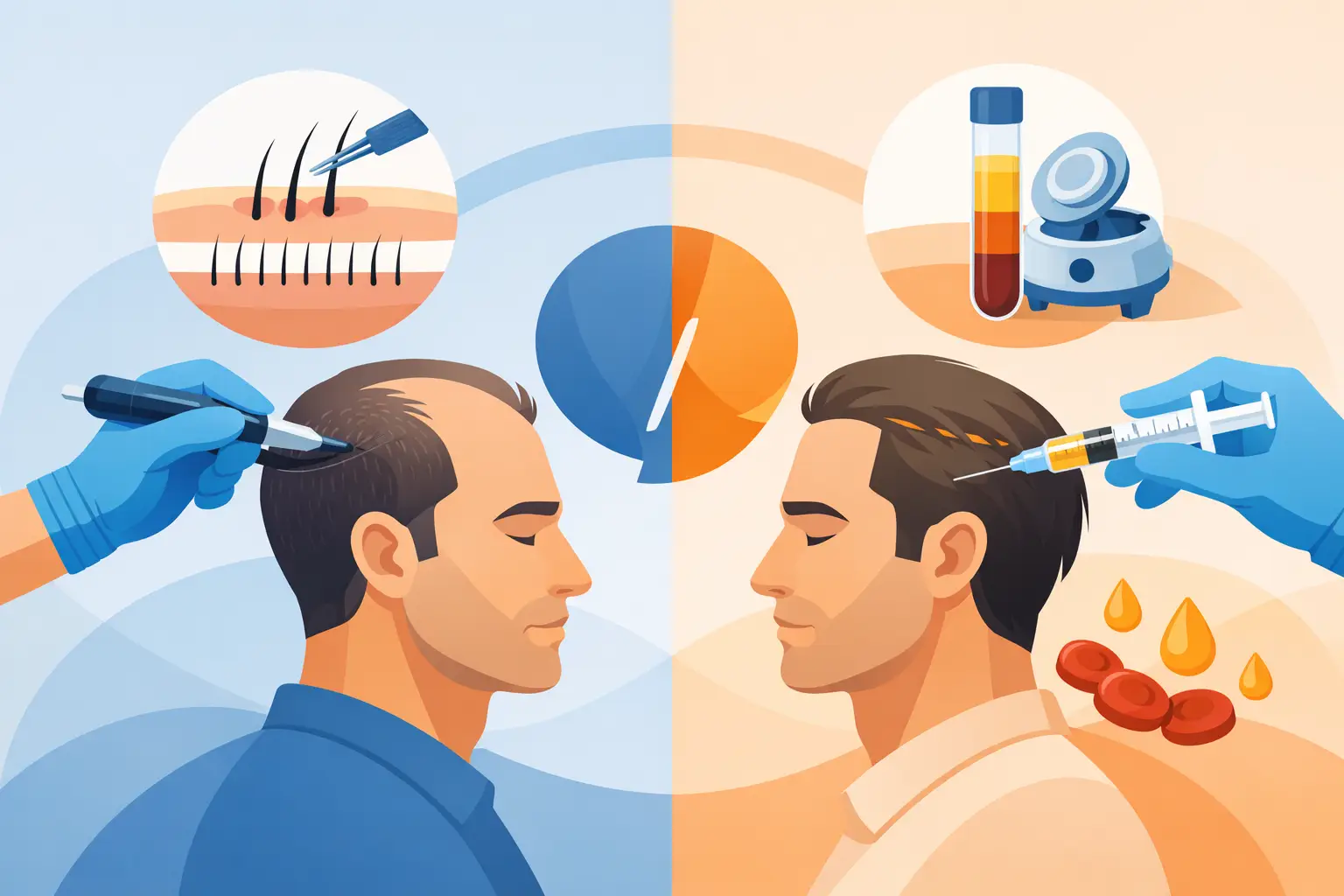
Patients with very early hair loss may be better served by monitoring, medication, low-level laser therapy, or regenerative treatments before surgery. People with diffuse unpatterned alopecia, poor donor density, active scalp disease, or unrealistic expectations may not be ideal candidates at that moment.
There is also the issue of hair loss progression. If your native hair is continuing to thin rapidly, surgery alone may leave you chasing future loss. In that situation, a combined strategy often makes more sense than a transplant by itself.
This is one reason comprehensive hair restoration practices can offer more value than a procedure-only model. The right recommendation is not always surgery on day one. Sometimes it is a staged plan that protects your existing hair first, then uses transplantation when the timing is right.
Best candidates for FUE transplant by age and stage
There is no perfect age for FUE, but there is a better stage. Patients in their 30s, 40s, and 50s are often strong candidates because their hair loss pattern is easier to predict. That said, age alone does not decide candidacy.
A healthy patient in their late 20s with stable recession and strong donor hair may be a better candidate than someone in their 40s with extensive loss and limited donor reserves. Likewise, an older patient can still achieve an excellent result if the restoration goals match the available grafts.
The best candidates for FUE transplant are usually people whose current pattern, future risk, and donor capacity line up well enough to create a result that will age naturally.
Why consultation quality matters so much
Hair transplantation is part medicine, part artistry, and part long-term planning. A rushed consultation can miss the details that make the difference between a short-term cosmetic fix and a result that continues to look right over time.
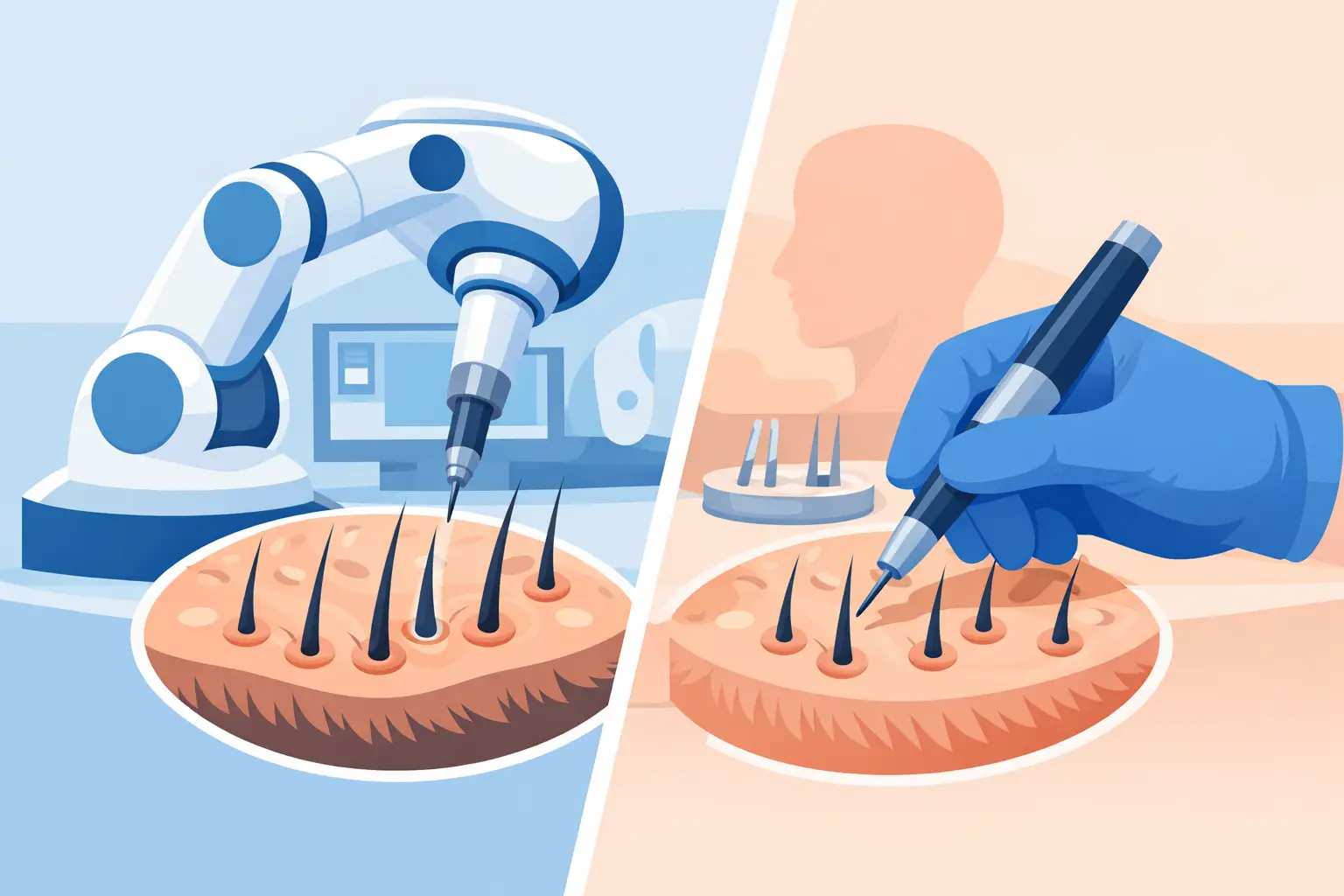
A strong consultation should evaluate your scalp, discuss your history, examine donor quality, estimate graft needs, and talk honestly about what FUE can and cannot accomplish. It should also cover whether robotic FUE, manual FUE, medication, or non-surgical therapies are better suited to your case.
At Austin Hair Clinic, that kind of personalized approach matters because candidacy is never one-size-fits-all. The goal is not just to perform a procedure. It is to guide patients toward the treatment plan most likely to restore hair and confidence in a way that looks believable.
What a good candidate should expect after surgery
Being a good candidate does not mean instant results. Transplanted hairs typically shed before regrowing, and visible improvement takes time. Most patients start noticing meaningful change over several months, with fuller maturation continuing after that.
Good candidates are usually prepared for that timeline. They also understand that protecting non-transplanted hair may remain part of the plan. FUE can rebuild density in treated areas, but your surrounding hair still needs attention if hair loss is ongoing.
That bigger-picture mindset leads to better decisions and better satisfaction. The strongest results usually come from patients who treat transplantation as one part of a comprehensive restoration strategy, not a shortcut.
If you are wondering whether FUE is right for you, the answer depends less on how much hair you have lost and more on how well your donor supply, pattern, and goals fit together. The best next step is not guessing from photos online. It is getting a clear, personalized assessment from a team that knows how to balance medical judgment with natural-looking design.