Postpartum Hair Loss Solutions That Truly Help
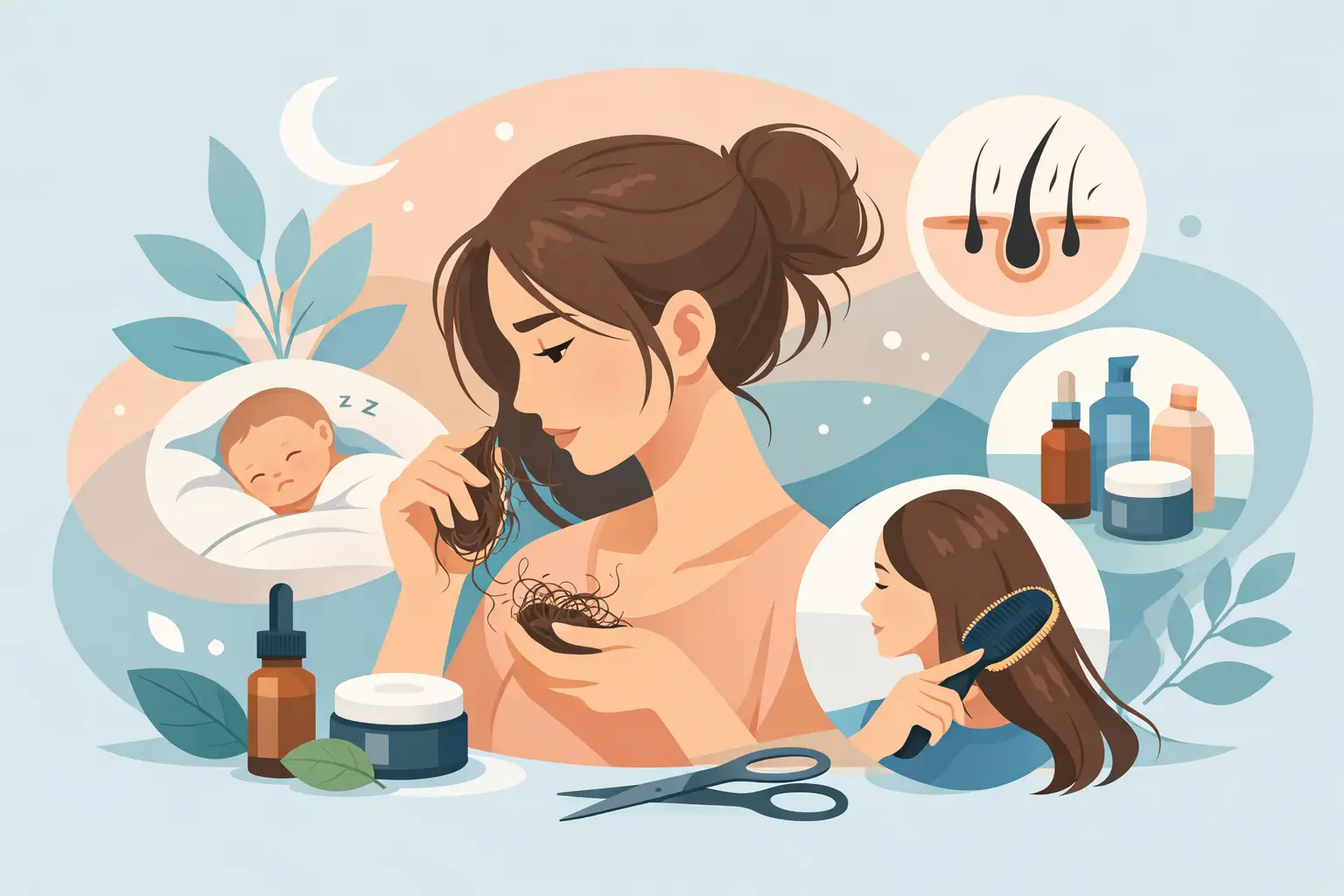
A fuller shower drain, a widening part, and hairs collecting on a favorite black top can feel alarming when you are already adjusting to life with a new baby. The reassuring news is that postpartum shedding is common and usually temporary. The most effective postpartum hair loss solutions begin with understanding what is happening, supporting healthy regrowth, and knowing when a medical evaluation is warranted.
Why Hair Sheds After Pregnancy
During pregnancy, higher estrogen levels keep more hairs in the growth phase. Many women notice that their hair feels thicker or looks fuller during this time. After delivery, hormone levels shift quickly. Hairs that were held in the growth phase move into a resting phase, then shed several months later.
This pattern is called postpartum telogen effluvium. It most often becomes noticeable around two to four months after delivery, may peak around four months, and commonly improves by the baby’s first birthday. The amount of shedding can look dramatic, but it does not always mean the follicles are permanently damaged.
That said, postpartum shedding can reveal an underlying tendency toward female pattern hair loss. If the part continues to widen, the temples become more sparse, or density does not begin returning over time, the cause may be more than the normal postpartum cycle. That distinction matters because temporary shedding and progressive thinning do not always require the same approach.
Postpartum Hair Loss Solutions Start With the Cause
There is no single product or procedure that is right for every new mother. A personalized plan should account for the timing of hair loss, the pattern of thinning, your medical history, recent bloodwork, nutrition, stress level, and whether you are breastfeeding.
Give the Growth Cycle Time
For many women, time is a genuine part of treatment. Hair growth is slow, and new growth can take months to become visible. Short, fine hairs along the hairline or part are often an encouraging sign that the cycle is restarting.
Gentle styling helps protect the hair you have while regrowth catches up. Avoid tight ponytails, extensions that pull on fragile strands, frequent bleaching, and high-heat styling when possible. These habits do not cause postpartum shedding, but they can add breakage to hair that already feels thinner.
A volumizing haircut, a changed part, or strategic color can also make a meaningful cosmetic difference during the regrowth period. These are not medical treatments, but they can help you feel more like yourself while your hair recovers.
Address Nutritional and Medical Factors
Pregnancy, delivery, breastfeeding, disrupted sleep, and the demands of caring for an infant can all affect how well the body supports hair growth. Protein intake matters because hair is primarily made of keratin. A varied diet with adequate protein, iron-rich foods, vitamin D, and other essential nutrients provides the foundation for healthy follicles.
However, supplements are not a substitute for identifying a deficiency. Iron deficiency, thyroid disorders, low vitamin D, and other medical issues can contribute to persistent shedding. Taking large doses of vitamins without guidance is not always helpful and can occasionally create new problems.
If hair loss is severe, continues beyond 12 months, occurs in distinct patches, or comes with fatigue, palpitations, weight changes, scalp symptoms, or other health concerns, speak with your primary care physician or OB-GYN. Appropriate testing can help clarify whether a correctable medical factor is involved.
Consider Hair Growth Supplements Carefully
A physician may recommend a hair-focused supplement when nutrition, shedding history, and individual needs support it. Products containing targeted nutrients can be useful for some patients, particularly when diet alone is not meeting nutritional needs.
The key is choosing a formula that fits your postpartum and breastfeeding status. “Natural” does not automatically mean appropriate while nursing. Review any supplement with your physician before starting it, especially if you take prescription medication or have a history of thyroid or iron concerns.
When Medical Treatment May Be Appropriate
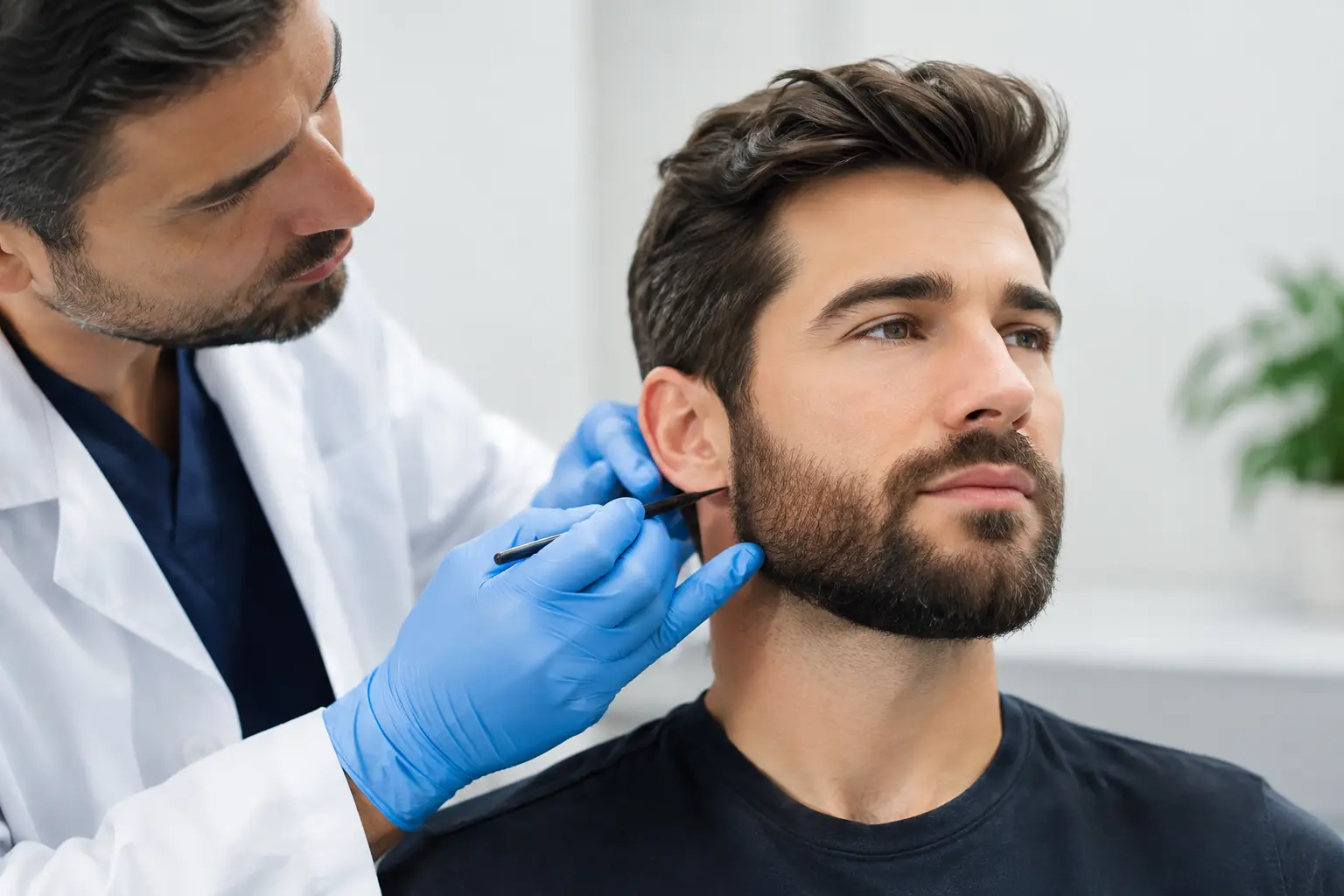
If postpartum shedding uncovers persistent thinning, a medical hair restoration consultation can provide clarity. A scalp examination helps distinguish diffuse shedding from pattern hair loss, traction-related loss, inflammatory scalp conditions, and other concerns that can look similar in the mirror.
Topical and Oral Medications
Minoxidil is a well-known treatment for certain types of hair thinning because it can help extend the growth phase of the follicle. It may be considered after an individualized medical review. Its use while breastfeeding should be discussed directly with your physician, since treatment decisions should balance the potential benefit with your personal health situation and feeding plan.
Other oral medications sometimes used for female pattern hair loss are generally not appropriate during pregnancy and may not be appropriate while breastfeeding. This is why online advice and one-size-fits-all treatment plans can be risky for postpartum patients. The right timing matters as much as the treatment itself.
Low-Level Laser Therapy
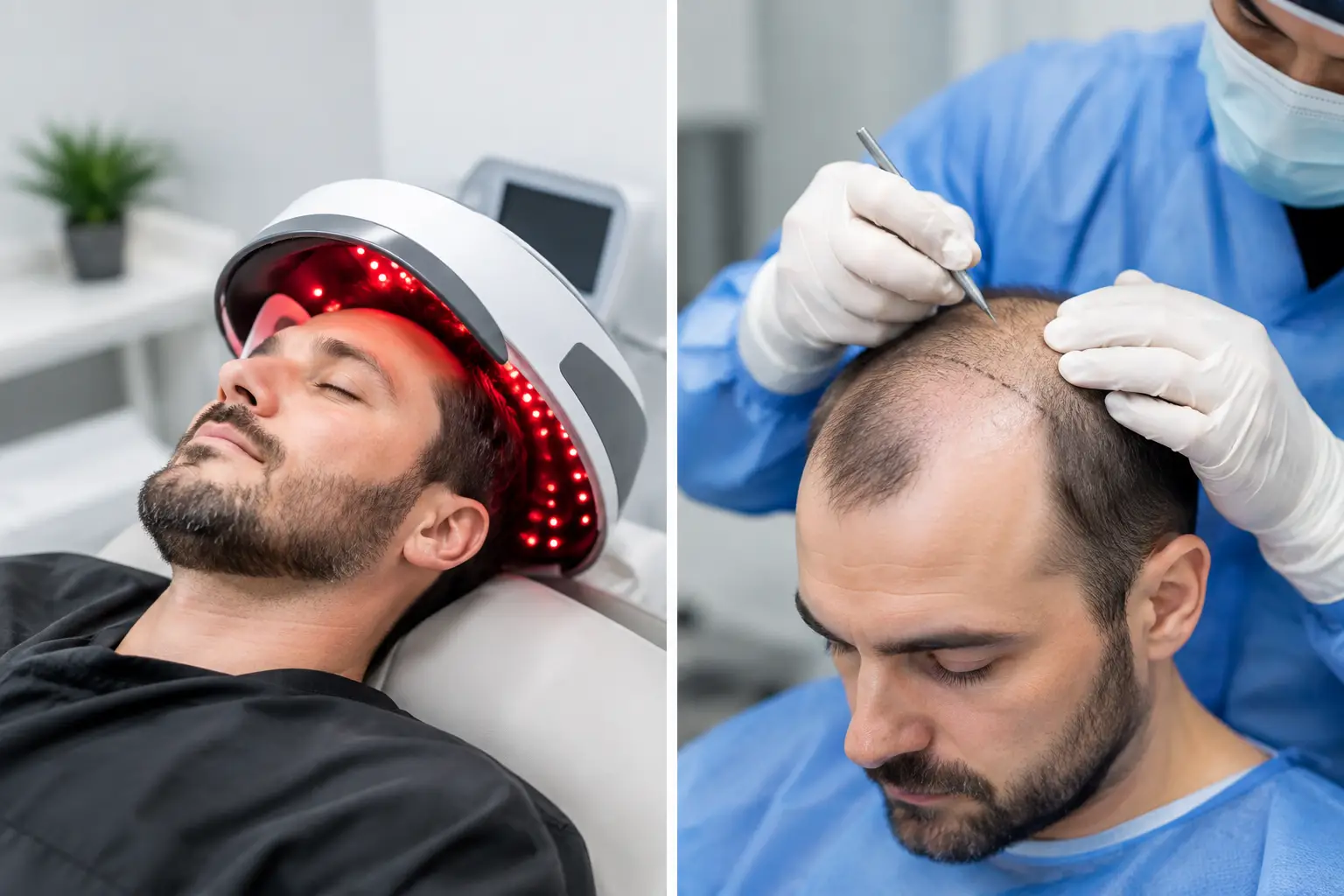
Low-level laser therapy is a noninvasive option that may support hair growth for eligible patients with thinning hair. It uses specific wavelengths of light to encourage follicular activity, and it can be appealing to people who want a non-surgical approach.
Results are gradual, not immediate. Laser therapy also works best when used consistently and as part of a larger plan when an underlying condition is present. A consultation can determine whether it is a sensible option for your pattern of hair loss.
Regenerative Hair Loss Injections
Regenerative injection treatments may be recommended for some patients with early thinning who want to support follicular health. These treatments are not a quick fix for normal postpartum shedding, and outcomes vary based on the cause and degree of hair loss.
For women whose shedding is likely temporary, observation and supportive care may be the better choice. For those with continuing miniaturization or a family history of progressive thinning, regenerative therapies may have a more defined role within a physician-guided program.
Is a Hair Transplant a Postpartum Solution?
A hair transplant is not usually the first answer for active postpartum shedding. Because postpartum telogen effluvium often improves on its own, transplanting too soon can be unnecessary. The priority is to stabilize the hair loss, evaluate the donor area, and confirm whether there is permanent density loss that will not recover.
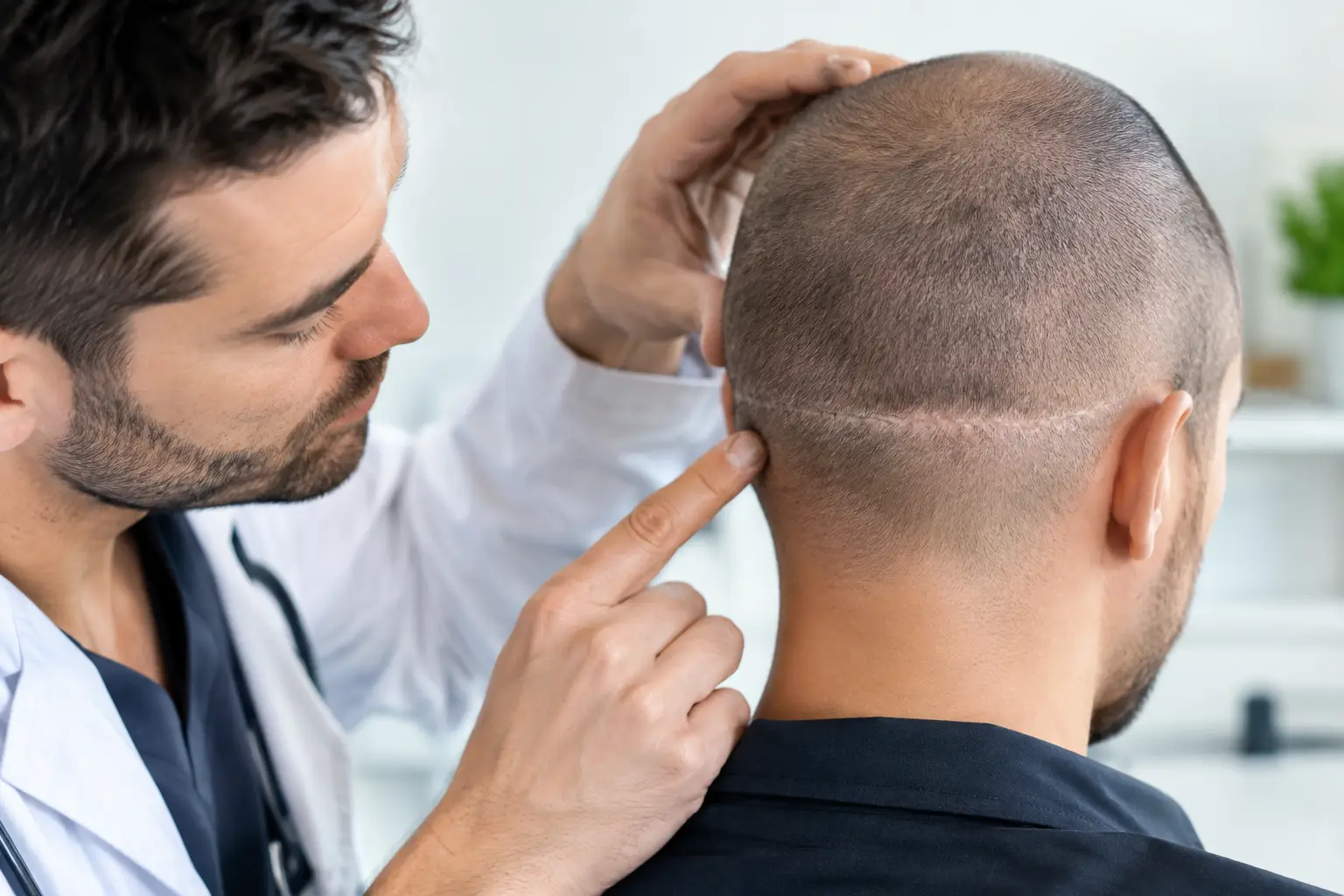
For women with stable, long-standing thinning or localized hairline concerns after medical evaluation, FUE hair transplantation can be an option. FUE moves healthy follicles individually to areas of reduced density, allowing for natural-looking placement and no linear scar. But it is a permanent surgical decision, not a replacement for diagnosing ongoing shedding.
At Austin Hair Clinic, physician-led scalp analysis can help determine whether you need reassurance and time, non-surgical support, or a longer-term restoration strategy. That clarity can prevent spending money on treatments that do not match your actual condition.
What to Expect From Regrowth
Patience is difficult when your appearance feels tied to confidence, work, and daily interactions. Still, realistic expectations protect you from disappointing promises. Hair typically grows about half an inch per month, and the earliest new hairs may look wispy before they thicken and blend with surrounding hair.
Track your progress with photos taken every four to six weeks in the same lighting and with the same part. Daily checking can make normal fluctuations feel worse. Consistent photos offer a more accurate view of whether density is stabilizing or improving.
Seek professional guidance sooner if you notice bald patches, scalp pain, itching, scaling, sudden dramatic loss, or thinning that continues to worsen after the first postpartum year. These signs do not automatically mean something serious is wrong, but they deserve a closer look.
Your hair loss may be a temporary chapter of postpartum recovery, not a permanent change to accept. Give your body the support it needs, avoid rushed treatment decisions, and get a professional opinion when the pattern does not feel typical. A clear diagnosis can replace uncertainty with a plan that supports both healthier hair and renewed confidence.