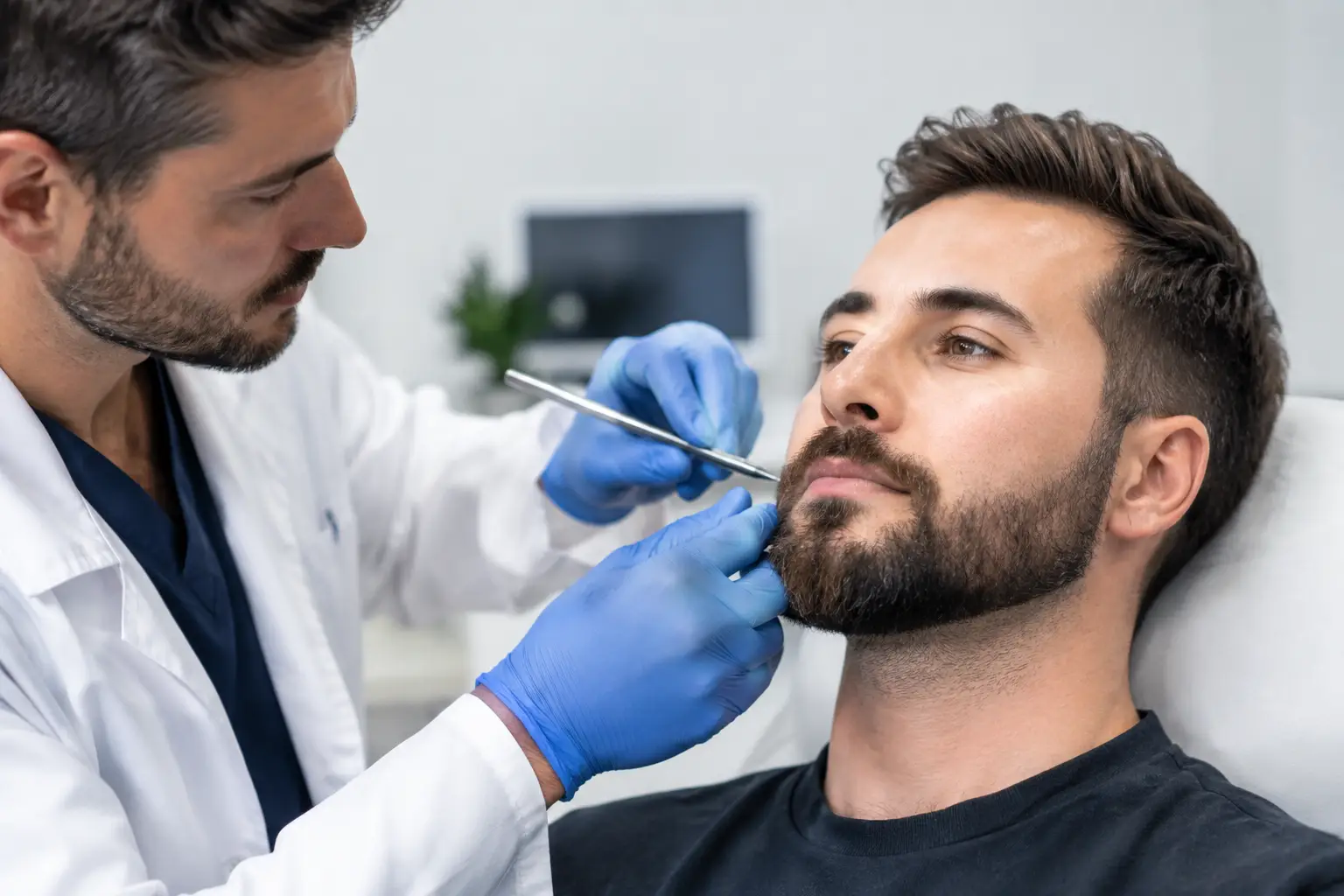
Can Women Get Hair Transplants? The Real Answer
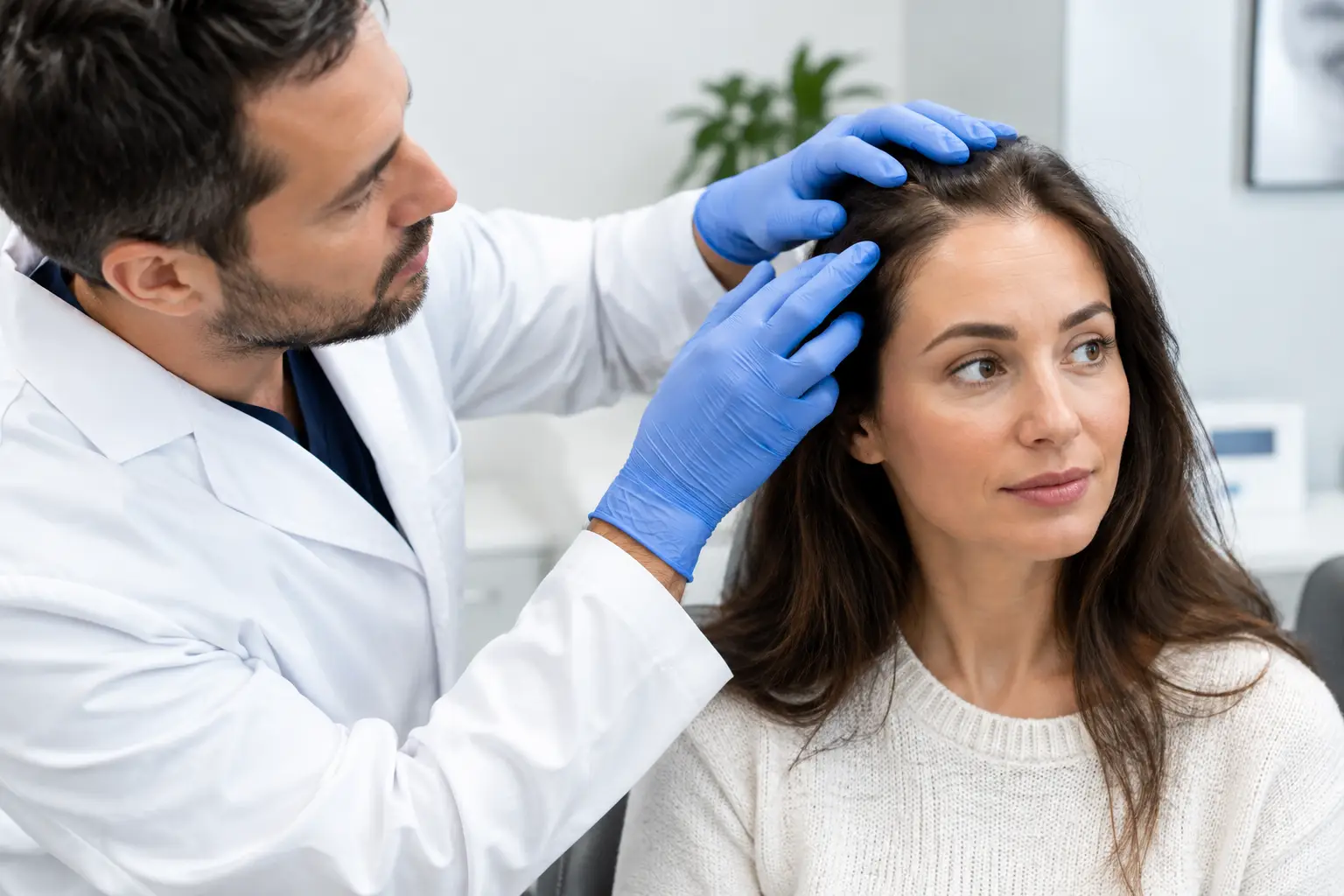
Hair loss in women is often treated as something to hide, cover, or simply accept. But for many women, thinning at the part line, a widening hairline, or sparse brows can feel deeply personal. So, can women get hair transplants? Yes – and for the right candidate, a carefully planned transplant can create lasting, natural-looking density and restore confidence.
The key is not simply placing grafts where hair looks thin. Female hair loss has many possible causes, and successful treatment starts with understanding why it is happening, whether it is stable, and whether the donor area has enough healthy hair to support a transplant.
Can Women Get Hair Transplants Successfully?
Women can receive hair transplants, including FUE hair transplantation, when they have a reliable donor area and a pattern of hair loss that can be safely treated. During FUE, individual follicular units are gently extracted from the back or sides of the scalp and placed into thinning areas. These follicles retain their genetic resistance to shedding, allowing them to grow in their new location over time.
The technique is minimally invasive and does not leave a linear scar. It can be especially appealing to women who want to wear their hair in different styles or prefer a discreet approach to restoration. The goal is not an artificial wall of hair. It is refined placement that supports the way a woman already wears her hair, protects the existing hair, and creates believable density.
That said, women are not always candidates for surgery in the same way men are. Many men have a defined receding pattern with a stable donor zone. Women more commonly experience diffuse thinning across the scalp, including areas that would normally provide donor follicles. If the donor hair is also thinning, removing grafts could reduce density where it is needed most.
A medical evaluation makes the difference between a procedure that is appropriate and one that should wait or be avoided.
The Best Candidates for Female Hair Transplant Surgery
Women with localized, stable hair loss tend to have the strongest surgical options. This may include a naturally high hairline, thinning concentrated at the temples, traction alopecia from years of tight hairstyles, a scar from an injury or previous surgery, or hair loss that has stabilized after hormonal changes.
Women may also be candidates when female pattern hair loss is present primarily on the top of the scalp but the back and sides remain dense and healthy. In these cases, transplanted grafts can add strategic coverage at the part line or crown.
Eyebrow transplantation is another option for women with sparse, overplucked, scarred, or naturally light brows. Because eyebrows frame the face, the design process matters as much as graft survival. Each follicle must be placed at the correct angle, direction, and density for a soft, natural appearance.
A strong candidate generally has realistic expectations, adequate donor density, and hair loss that is not actively accelerating. Age alone does not determine candidacy. The condition of the scalp, the quality of the donor hair, medical history, and long-term goals matter far more.
Why Diagnosing the Cause of Hair Loss Comes First
Thinning hair is a symptom, not a diagnosis. A transplant may be helpful for one woman and the wrong first step for another. Before recommending surgery, a qualified hair restoration physician should assess the pattern of shedding, scalp health, family history, medications, nutrition, hormonal factors, and possible underlying conditions.
Female pattern hair loss is common and often presents as gradual widening of the part rather than a receding hairline. Hormonal shifts related to menopause, polycystic ovary syndrome, thyroid disease, iron deficiency, rapid weight loss, stress, and certain medications can also contribute to shedding.
Some causes are temporary. Telogen effluvium, for example, can trigger noticeable shedding several months after illness, surgery, childbirth, emotional stress, or major physical changes. Transplanting hair while temporary shedding is still active does not address the underlying trigger.
Autoimmune conditions such as alopecia areata and inflammatory scarring alopecias require specialized medical management. Surgery may not be appropriate until the disease is inactive and the scalp has remained stable for a significant period. This is why a scalp analysis and personalized treatment plan are not extras. They are the foundation of responsible care.
What Results Can Women Expect From FUE?
A female hair transplant is a long-term procedure, but it is not an overnight transformation. Transplanted hairs commonly shed within the first few weeks after surgery. This is expected. New growth usually begins around three to four months, becomes more noticeable between six and nine months, and continues to mature for up to 12 to 18 months.
Density is one of the most important conversations to have before treatment. A transplant redistributes existing follicles. It does not create unlimited new hair. If a large area is thin, the physician may recommend a conservative, layered approach that prioritizes the areas that will make the greatest visual difference.
For many women, improving the frontal hairline, softening temple recession, or adding density along the part provides a meaningful change without trying to cover every inch of the scalp. The most successful results look like your own hair – just fuller, better framed, and easier to style.
Existing hair can continue to thin over time, particularly with genetic hair loss. For that reason, surgical restoration is often paired with a medical plan designed to preserve the non-transplanted hair around it.
When Non-Surgical Treatment May Be the Better First Step
Not every woman who wants more hair needs surgery first. If thinning is diffuse, recent, or still progressing, non-surgical treatment can help stabilize loss and improve the appearance of existing follicles before a transplant is considered.
Depending on the cause of hair loss and a patient’s health history, options may include prescription medication, regenerative hair loss injections, low-level laser therapy, targeted supplements, or diagnostic testing that helps guide medication choices. These treatments do not replace a transplant when hair follicles are permanently gone, but they can protect the hair that remains.
This combined approach often produces the most natural long-term outcome. Treatment can strengthen surrounding hair, while FUE adds coverage where density cannot return on its own. A personalized plan may begin conservatively and evolve as the hair loss pattern becomes clearer.
Questions to Ask Before Choosing a Hair Transplant Clinic
A hair transplant is both a medical procedure and an aesthetic procedure. Women should look for a practice that evaluates the entire scalp rather than promising surgery after a quick glance at the thinning area.
Ask who will perform the consultation and oversee the procedure, how donor density will be measured, and whether your hair loss needs medical treatment before surgery. You should also ask to see results involving women with a similar hair type, skin tone, pattern of loss, and treatment goal.
Technology can improve precision, but it does not replace clinical judgment. ARTAS robotic FUE and manual FUE can both be useful approaches depending on the patient’s hair characteristics and the treatment plan. The design of the hairline, the handling of grafts, and the protection of existing hair are what shape the final result.
At Austin Hair Clinic, patients receive physician-guided planning focused on natural placement, healthy donor management, and options that fit the cause and stage of their hair loss. A consultation should leave you with clarity, not pressure.
Frequently Asked Questions
Do women have to shave their heads for a hair transplant?
Usually, no. Some women can have FUE performed with discreet trimming in the donor area, allowing longer surrounding hair to conceal it. The preparation depends on the number of grafts needed, hair length, and the technique used.
Is a hair transplant permanent for women?
Transplanted follicles are generally intended to be permanent because they are moved from genetically resistant donor areas. However, the native hair around them may still thin over time. Ongoing treatment may be recommended to maintain the most balanced result.
Can a hair transplant help a woman with a widening part?
It can, if the donor area is stable and healthy. Because widening-part hair loss is often diffuse, a physician must carefully determine whether the donor hair can safely support transplantation and whether medical treatment should come first.
Does female hair transplant surgery hurt?
The procedure is performed with local anesthesia, so patients should not feel pain during graft extraction or placement. Mild tenderness or tightness afterward is common and typically manageable with post-procedure instructions and medication when needed.
Hair loss does not have to dictate how you feel when you look in the mirror or walk into a room. The right next step is a thoughtful evaluation that respects both your goals and the health of your hair – because the best restoration plan is the one built for you.